Your Disability Rights Under California Law
California workers are protected by overlapping federal and state laws, and the state law is almost always stronger. That difference is often what makes or breaks a case.
FEHA: broader than the ADA
The Fair Employment and Housing Act (FEHA, Government Code section 12940 and following) prohibits discrimination, harassment, and retaliation based on an actual or perceived physical disability, mental disability, or serious medical condition. FEHA covers employers with as few as 5 employees, while the federal Americans with Disabilities Act (ADA) starts at 15. FEHA also defines disability more generously: a condition only needs to limit a major life activity, not "substantially limit" it as federal law requires, and FEHA damages are not capped the way federal damages are.
Protected conditions include chronic illnesses, cancer, diabetes, HIV/AIDS, mobility and sensory impairments, migraines, and mental health conditions such as depression, anxiety, PTSD, and bipolar disorder. FEHA also protects you if your employer merely perceives you as disabled, or discriminates against you because of a family member's condition.
The duty to accommodate and the interactive process
Covered California employers must provide reasonable accommodations that let a qualified employee perform the essential functions of the job, unless doing so would impose an undue hardship. Just as important, the employer must engage in a timely, good-faith interactive process to figure out what accommodation could work. Failing to have that conversation is an independent violation of FEHA, separate from the failure to accommodate itself. Our page on reasonable accommodations in California walks through examples, the process, and what to do when a request is denied.
Job-protected medical and family leave
California employees may be entitled to several kinds of leave, each with its own rules:
- CFRA leave. The California Family Rights Act gives eligible employees of businesses with 5 or more employees up to 12 weeks of job-protected leave per year for their own serious health condition, to care for a family member, or to bond with a new child. The federal FMLA provides similar leave but only at employers with 50 or more employees. See FMLA and CFRA leave for eligibility, reinstatement rights, and what to do if you were fired while on leave.
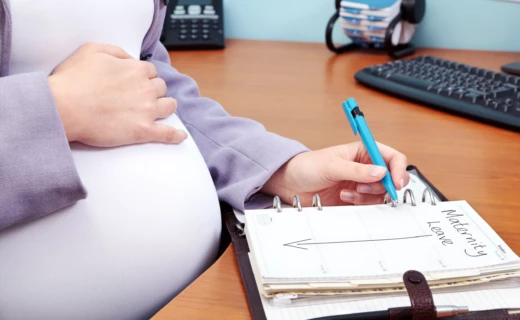
- Pregnancy Disability Leave (PDL). Up to 4 months of job-protected leave while disabled by pregnancy or childbirth, in addition to CFRA bonding leave. Covered in depth on our pregnancy rights pages.
- Paid sick leave. California law currently requires at least 40 hours or 5 days of paid sick leave per year for most employees, and some cities, including Los Angeles and Santa Monica, have their own more generous ordinances.
- Leave as an accommodation. Even when statutory leave runs out, additional unpaid leave can itself be a reasonable accommodation under FEHA if it is likely to let you return to work.
Disability rights and workers' compensation are not the same
Many Los Angeles workers assume that a work injury means workers' compensation is their only remedy. It is not. Workers' comp covers medical care and partial wage replacement for the injury itself, but it does not excuse your employer from FEHA's separate duties to accommodate you, engage in the interactive process, and refrain from discrimination once you have restrictions. An employer that fires an injured worker instead of accommodating light-duty restrictions may owe damages under FEHA on top of the comp claim, and punishing you for filing a comp claim is illegal retaliation under Labor Code section 132a. See our page on workers' comp retaliation if your claim triggered the mistreatment.
The same layering matters for serious illnesses. A cancer diagnosis, for example, can involve accommodation rights, protected leave, and discrimination protections all at once, and employers frequently honor one duty while violating another. We evaluate the whole picture, not just the loudest claim.
Deadlines in California
Most FEHA claims must start with a complaint to the California Civil Rights Department (CRD, formerly the DFEH), generally within 3 years of the violation, followed by a lawsuit within 1 year of receiving a right-to-sue notice. Other claims, including FMLA claims, run on different and sometimes shorter clocks. Deadlines vary by claim and by facts, so the safest move is to talk to a lawyer promptly.






 California Regulations